What Luxury Car Owners Should Know About Insurance Repairs
April 30, 2026
What to Do After a Car Accident
By
A minor collision in a luxury vehicle rarely feels minor. The damage might look small, but the questions you ask yourself start right away. Is it safe to drive? Who do you call first? Will this affect the value of your car?
For many owners, the stress is not only about the accident, it’s also about protecting something they have invested in. Performance, safety systems, and resale value are all on the line.
At Distinctive Auto Works, we’ve worked with luxury vehicle owners through every stage of the repair process, and we know that what you do in the first hour matters, and the decisions you make in the days that follow matter even more.
This guide walks you through both, so you know how to handle the situation properly and protect your vehicle long term.
What to Do Immediately After a Car Accident
Always start with safety, everything else comes after that.
- Check for injuries and call emergency services if needed
- Turn on your hazard lights and move the vehicle if it is safe to do so
- Avoid admitting fault or discussing blame at the scene
- Exchange driver’s license, registration, and insurance details
- Collect witness contact information if anyone saw what happened
In Canada, accidents that meet certain damage thresholds must be reported to a collision reporting centre or the police. If you’re unsure, it is safer to report it.
Even in low-speed collisions, do not assume everything is fine. Modern luxury vehicles are built with complex structures and systems that do not always show damage on the surface.
Speak with a repair advisor who understands your vehicle and your expectations.
How to Document the Accident Properly
Good documentation protects you twice. It supports your insurance claim, and it gives your repair facility the full picture.
Take a few extra minutes to capture:
- Close-up photos of all visible damage
- Wide shots showing the full scene and vehicle positioning
- Road conditions, signage, and weather
- License plates and driver documents
- Any dashboard warnings or system alerts
From our experience in the shop, some of the most serious issues come from accidents that looked minor at first. Sensors can shift, structural points can move slightly, and cameras can lose alignment, and these details are not always visible, but they matter when it comes time to repair the vehicle properly.
Insurance Steps for Luxury Vehicle Owners in Canada
Once you’re safe and have documented the scene, contact your insurance provider. Most policies require prompt reporting, and it’s often within a set number of days.
This is where many luxury vehicle owners run into issues, because insurance companies often guide their customers toward preferred repair networks, and these are not always OEM-certified facilities. They are often general repair shops designed for volume, not precision.
As a car owner, you have the right to choose where your vehicle is repaired, and it’s not a decision to take lightly. A standard repair might restore appearance, but it does not always restore performance, safety systems, or long-term value. For high-end vehicles, that difference matters.
If you’re filing a luxury car insurance claim in Canada, it is worth taking the time to select a facility that specializes in certified collision repair for luxury vehicles.
Choose OEM-certified repair and protect your vehicle’s performance, safety, and value.
Why Luxury Cars Require a Different Repair Approach
Luxury vehicles are not built the same way as standard vehicles. The materials, engineering, and systems are more advanced, and they require a different level of care.
You will often see:
- Aluminum body panels that require specialized repair environments
- Advanced driver assistance systems with cameras and sensors
- Tighter factory tolerances for structural alignment
- Integrated electronics that affect safety and performance
When repairs aren’t done correctly, the risks go beyond appearance, and sensors can be misaligned, safety systems can fail to respond properly, and handling can feel slightly off, even if it is not obvious at first. Over time, resale value can drop because the repair was not completed to factory standards.
We see the same principle with long-term ownership—vehicles that are maintained and repaired properly hold their value and perform consistently over time, and the same applies after an accident.
Choosing the Right Luxury Collision Repair Centre
This is the most important decision you will make after an accident, because not all repair facilities are equipped to handle high-end vehicles. You want a shop that is built around precision, not volume.
Look for:
- OEM certifications for brands like BMW, Mercedes-Benz, Tesla, Audi, and Porsche
- Factory-approved repair procedures and equipment
- Dedicated aluminum repair capability with separate workspaces
- Advanced structural measuring systems designed for exact tolerances
- ADAS calibration before and after repair
There is a clear difference in approach, because a general body shop focuses on visible damage and the goal is to make the vehicle look right again, while an OEM-certified facility focuses on restoring the vehicle fully, including structure, safety systems, and performance.
If your vehicle includes advanced systems, aluminum construction, or high-performance components, this level of repair is recommended to bring the vehicle back to how it was built.
What Happens During the Repair Process
Luxury car accident repair involves more than replacing parts and repainting panels, and the process is quite detailed and methodical.
It usually starts with a teardown, also known as blueprinting. This step exposes hidden damage that would not be visible during a surface inspection.
From there, the repair process includes:
- Structural measurement and correction using specialized equipment
- OEM parts sourcing to match original specifications
- Aluminum or mixed-material repair where required
- Precision paint work using factory-matching techniques
- Full system diagnostics and ADAS calibration
At a certified facility, these steps are carried out by factory-trained technicians, often with Red Seal certification. The goal is to restore the vehicle to factory condition, not a close approximation.
At Distinctive Auto Works, that process is backed by a lifetime guarantee on our workmanship. That level of accountability matters when you are trusting someone with a high-value vehicle.
Learn more about the Distinctive Experience.
After the Repair How to Protect Your Vehicle’s Value
Once repairs are complete, your focus should shift to documentation and long-term value.
Make sure you:
- Request full repair documentation and parts confirmation
- Keep records of all work performed
- Confirm that ADAS calibration reports are included
- Ask about diminished value if the damage was significant
Even when a vehicle is repaired correctly, poor documentation can create problems later, so buyers and dealerships look for proof that the work was done properly and to manufacturer standards. If those records are missing, the vehicle can lose value.
FAQs About Car Accidents and Repairs
What not to tell your insurance company
Avoid admitting fault or guessing what caused the accident to your insurance company after an accident. Stick to clear facts about what happened, when it happened, and who was involved, so your claim stays accurate and properly assessed.
What should you do right after a car accident
Right after a car accident, start by checking for injuries and moving to a safe location if possible. Then document the scene with photos, exchange information, and report the incident to the appropriate authorities and your insurance provider.
Why should you never admit fault
The reason people tell you that you should never admit fault is because fault is determined through investigation, not at the scene. Saying the wrong thing in the moment can impact insurance decisions and legal outcomes, even if the full picture is not yet clear.
Can a car accident cause spinal stenosis
Trauma can sometimes trigger or worsen existing spinal issues, and there are cases of a car accident causing spinal stenosis. Even if symptoms seem minor at first, it’s important to get checked by a medical professional to rule out delayed or hidden injuries.
Protecting Your Vehicle Starts With the Right Decisions
A car accident disrupts more than your day, it also puts your vehicle, your safety, and your investment at risk.
The steps you take right after the accident set the tone for everything that follows, and choosing the right repair facility determines whether your vehicle is truly restored or only repaired on the surface.
If you drive a high-end vehicle, you need a repair process that matches the way it was built.
Related Articles
View All ArticlesOther
Other
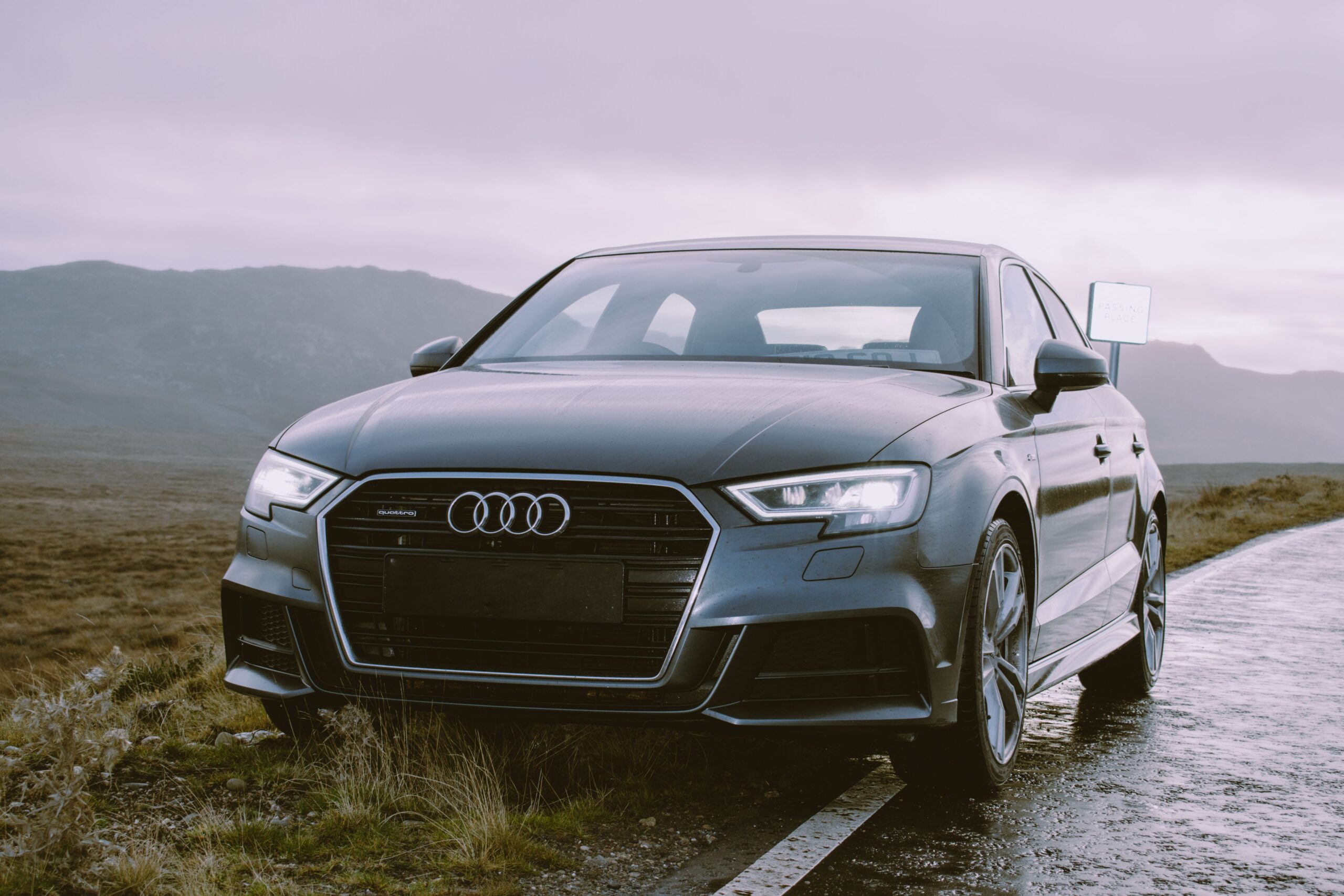
OEM vs Aftermarket Parts for Audi Repairs
Other
What Manufacturer Certification Really Means for Luxury Car Repairs
Other
The Best Paint Protection for Luxury Vehicles
Other
Why Every BMW Owner Should Choose Certified Repair
Other
How to Winterize a Luxury Vehicle
Other
Summer Road Trip Car Prep for Luxury Cars
Other
What to Do After a Car Accident
Other
How to Fix Hail Damage on a Luxury Car