Understanding Luxury OEM Certifications for Collision Repair
December 30, 2025
Understanding Luxury OEM Certifications for Collision Repair
By
Modern luxury vehicles do far more than just drive fast or look good. They rely on advanced engineering, mixed materials, complex electronics, and tightly integrated safety systems.
But after a collision, repairing these vehicles means restoring far more than paint and panels. And this is where OEM certification matters.
OEM stands for Original Equipment Manufacturer, and when a collision repair centre earns OEM certification, it proves the shop meets the automaker’s exact standards for tools, training, repair methods, and quality control.
For brands like BMW and Audi, certification is a requirement for safe, accurate repair.
At Distinctive Auto Works, we have restored luxury vehicles to factory standards since 1975. As part of the Craftsman Group, we hold multiple OEM certifications across Western Canada and work closely with luxury manufacturers, dealerships, and insurers.
We see every day why these certifications exist and what happens when they are ignored.
Protect your vehicle’s safety, performance, and value. Contact Distinctive Auto Works for OEM-certified collision repair.
What OEM Certification Means in Luxury Collision Repair
OEM certification means a collision repair centre has been approved by the vehicle manufacturer to repair its vehicles after a collision.
This approval does not come easily.
Manufacturers require certified shops to invest in brand-specific equipment, follow exact repair procedures, train technicians through factory programs, and pass regular audits.
These standards exist because luxury vehicles are engineered as complete systems, and the structure, electronics, sensors, and materials all work together.
Key elements of OEM certification include:
- Specialized equipment approved by the manufacturer.
- Brand-specific technician training and ongoing education.
- Access to factory repair manuals and structural schematics.
- Mandatory use of OEM parts in critical areas.
- Regular audits to confirm standards remain current.
Luxury vehicles use materials like aluminum, high-strength steel, carbon-reinforced plastics, and advanced adhesives. A repair that looks fine on the surface can fail structurally or electronically if it does not follow factory methods, and OEM certification exists to prevent those risks.
What Does BMW Certified Mean?
A BMW-certified collision repair means the repair centre meets BMW’s global repair standards for structure, safety, and performance.
BMW vehicles use complex mixed-material designs—many models combine steel, aluminum, and carbon-reinforced components within the same body structure, and each material reacts differently to impact and heat. BMW does not allow guesswork in how these vehicles are repaired.
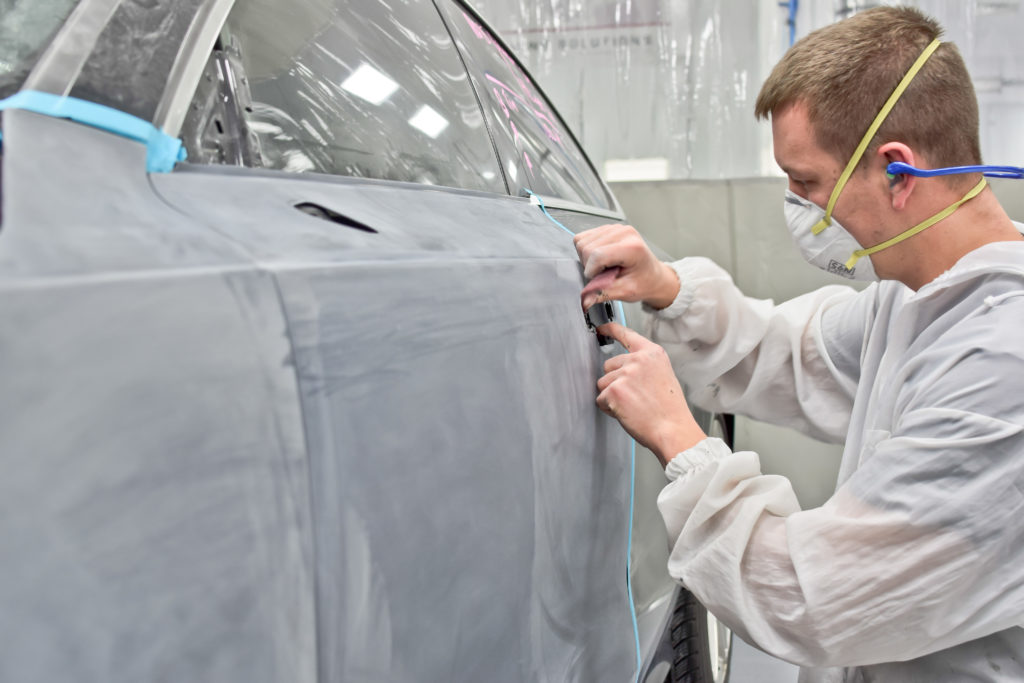
A BMW-certified collision repair centre must use BMW-approved frame benches, bonding agents, rivets, and welding equipment, and technicians must complete BMW-specific training and understand how loads move through the vehicle during a crash.
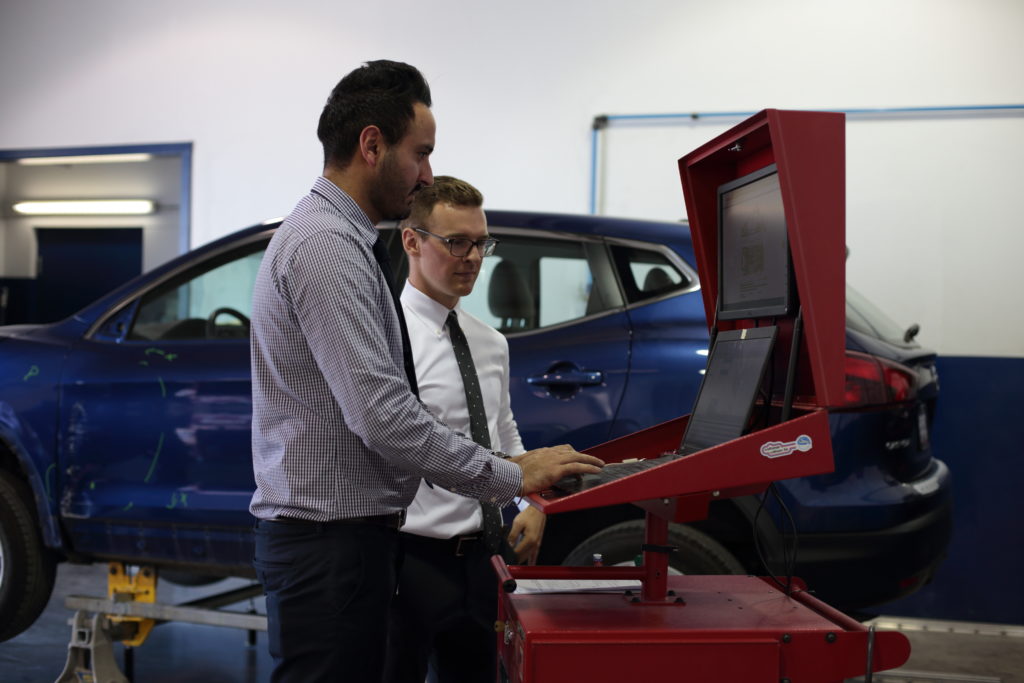
BMW certification also includes access to BMW ISTA diagnostics and factory repair schematics. These tools allow technicians to measure structural alignment down to millimetres and verify that safety systems and electronics function exactly as designed.
Without BMW certification, a shop might not have access to this data or the correct tools. That increases the risk of improper repairs, misaligned structures, and unresolved electronic faults.
What Does Audi Certified Mean?
Audi-certified collision repair focuses heavily on aluminum construction and multi-material platforms.
Audi pioneered aluminum-intensive vehicle bodies long before many other brands, and aluminum behaves very differently than steel during a collision. It requires specific welding methods, bonding techniques, and strict separation from steel tools to prevent corrosion.
Audi-certified repair centres must maintain dedicated aluminum clean rooms to prevent cross-contamination and protect structural integrity. Audi also requires approved welders, bonding tools, rivet systems, and structural adhesives.
Audi certification includes training in crash structure repair, advanced driver assistance systems, and electric vehicle safety. Even small repairs can affect radar sensors, cameras, and driver assistance features if calibration steps are skipped or done incorrectly.
Audi does not allow uncertified shops to perform structural aluminum repairs, and Audi-certified collision repair makes sure the vehicle retains its strength, handling, and safety features after an accident.
What Other OEM Certifications Mean for Luxury Brands
OEM certification varies by brand, but the goal always stays the same: to restore the vehicle to factory standards.
Mercedes-Benz certified repair focuses on strict structural tolerances and advanced diagnostics, and certified shops must use Mercedes STAR diagnostic systems and follow exact repair measurements.
Porsche OEM certification requires model-specific tooling and training because Porsche vehicles use lightweight aluminum and performance-focused designs where even small deviations can affect handling.
Tesla structural certification covers electric vehicle safety, battery protection, and proprietary fasteners. Tesla repairs require controlled procedures to protect high-voltage systems and vehicle software.
Jaguar and Land Rover certification emphasizes aluminum-intensive bodies and rivet bonding methods, because these vehicles rely on bonded aluminum structures that demand precise repair conditions.
A certified European auto body shop must invest heavily to support these programs because certification is brand-specific, meaning that approval for one luxury marque does not apply to another.
Why OEM Certification Protects Safety, Warranty, and Resale Value
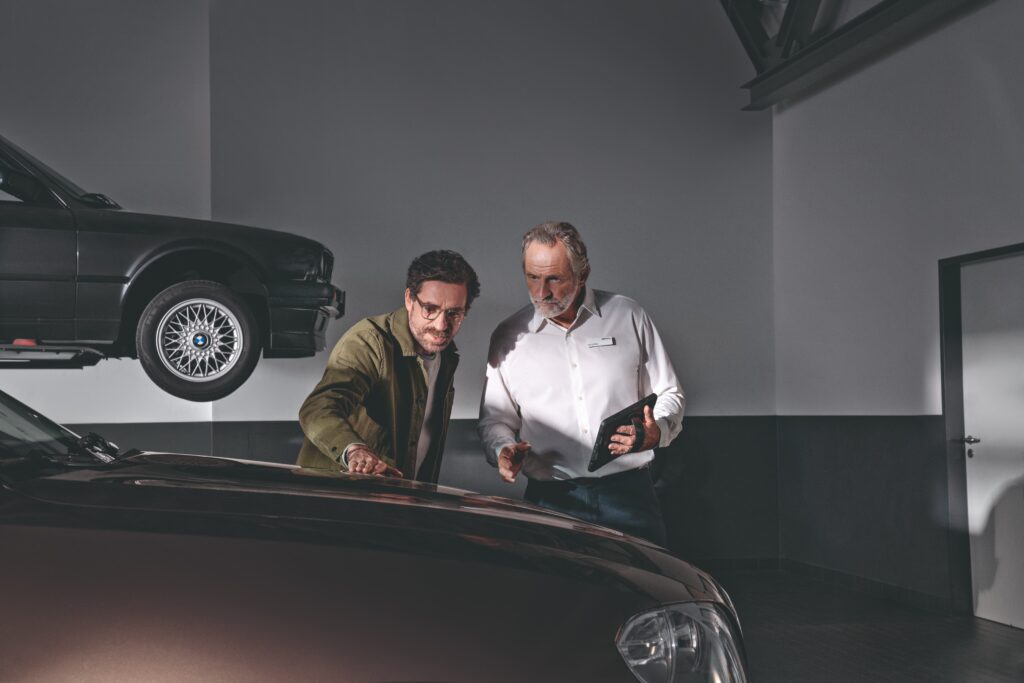
OEM-certified luxury repair protects more than appearance.
Safety systems depend on correct calibration, and cameras, radar, steering sensors, and collision-avoidance features must be recalibrated using OEM methods. Incorrect calibration can cause delayed braking, false alerts, or system failure.
OEM parts also matter in crash performance. Aftermarket parts might fit, but they may not absorb energy or deform the same way in a future collision. So, OEM parts preserve crash integrity.
Certified repairs also protect warranty coverage. Many manufacturers can deny warranty claims if repairs did not follow approved procedures or use approved parts.
Resale value depends on documentation. Buyers, dealers, and insurers look closely at repair records for luxury vehicles, and documented OEM-certified repairs help protect value, especially for leased, financed, or collector vehicles.
How DAW Restores Luxury Vehicles to Factory Standards
At Distinctive Auto Works, OEM certification shapes every step of our process.
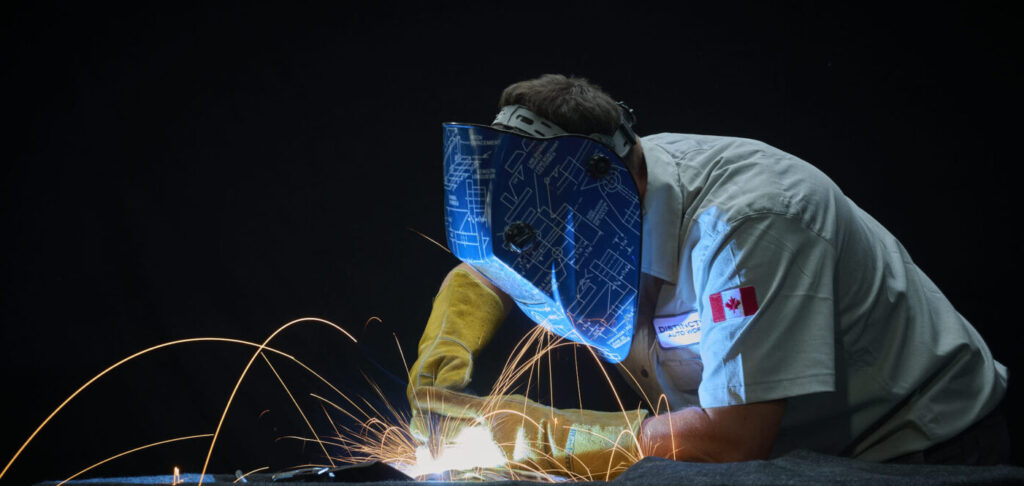
Our master technicians hold Red Seal credentials and brand-specific training, and their education never stops. Manufacturers update procedures frequently, and our teams stay current.
We use Celette frame benches to achieve zero-tolerance structural alignment. These systems measure the vehicle against factory reference points and ensure accuracy before repairs continue.
Aluminum repairs take place in isolated clean rooms using aluminum-specific tools. This protects structural integrity and prevents corrosion. Our paint process matches factory finishes using controlled environments and anti-static ionization. Heated nitrogen spray systems help achieve consistent, durable results.
We perform full diagnostics and ADAS calibration using OEM-approved tools. Every safety system is tested and verified before the vehicle leaves our facility.
You can learn more about our process and facilities through our services page and the Distinctive Experience.
FAQs About OEM Certification
What are OEM certifications?
OEM certifications are manufacturer approvals that confirm a collision repair centre meets strict standards for tools, training, repair methods, and quality control.
Which is better, OE or OEM?
OEM refers to original manufacturer parts and procedures. OE typically means original equipment but may not include full manufacturer oversight. OEM-certified repairs follow factory standards.
Why do I need an OEM certificate?
OEM certification helps protect safety systems, warranty coverage, and long-term vehicle value by making sure repairs follow manufacturer requirements.
Which is better, OEM or original?
OEM and original both refer to manufacturer-approved parts. The key difference is whether repairs follow the full OEM-certified process, not just part selection.
Talk to DAW About Certified Luxury Repair
Luxury vehicles deserve repair standards as precise as their engineering. BMW-certified collision repair, Audi-certified collision repair, and other OEM programs exist for a reason.
Speak with our OEM-certified technicians about the exact repair standards for your Audi, BMW, or other luxury brand.
Related Articles
View All ArticlesNews
News
Should You Invest in a Luxury Car?
News

Your Guide to Auto Body Repair for European Luxury Vehicles
News

What Really Makes a Car Luxury?
Community
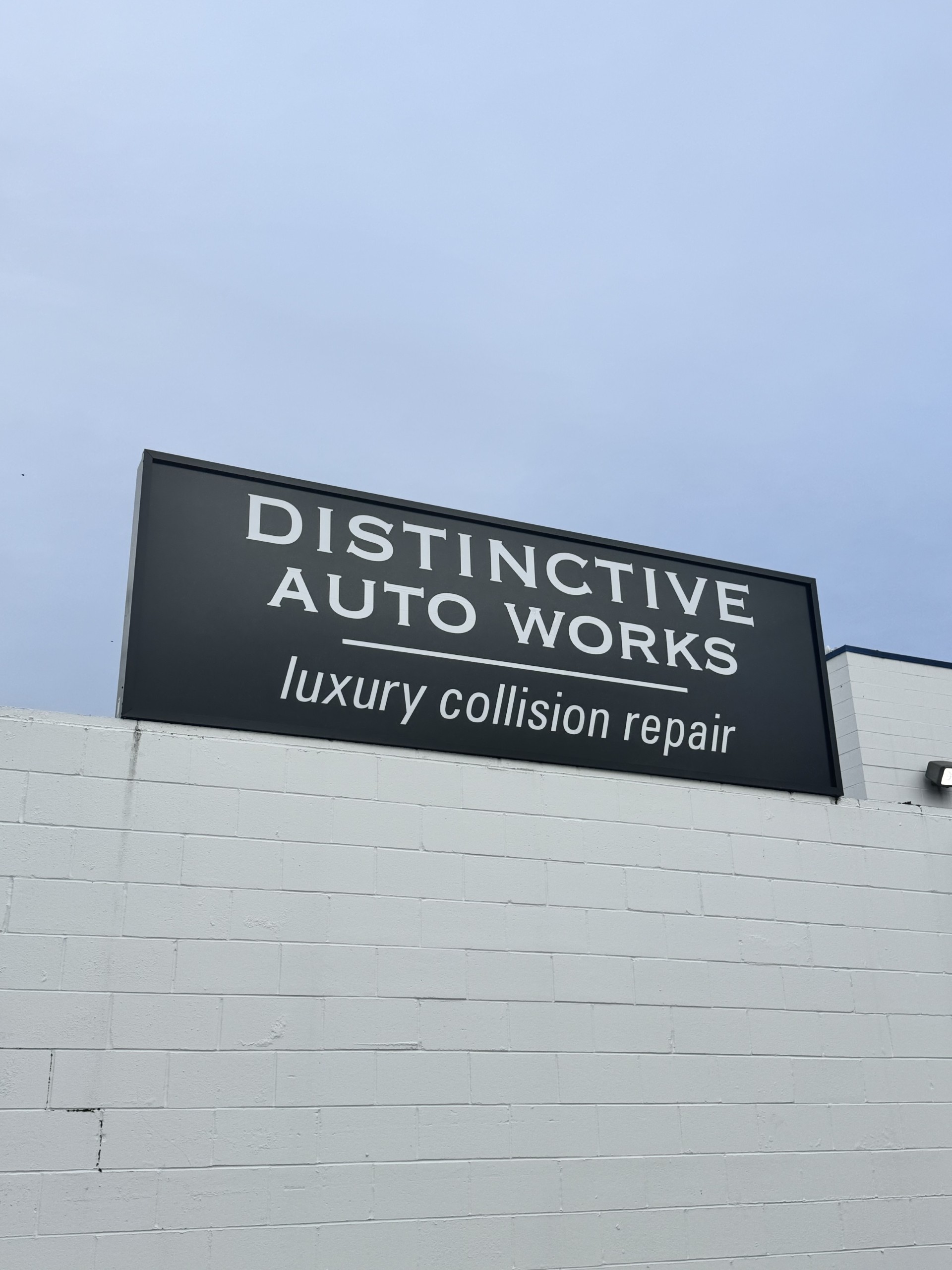
Distinctive Auto Works Opens New Location in North Vancouver
News
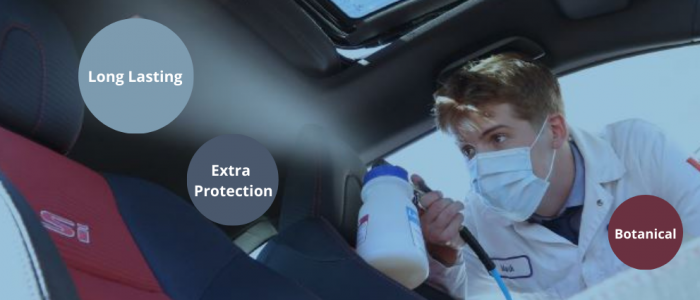
Provides a long lasting clean, for $99
Industry
DAW announces rebrand to MB Autoworks
Industry

New BMW CCRC opens in Edmonton, Alberta